Retina versus retinal: wat is het verschil?
Retina versus retinal:
Het netvlies is een lichtgevoelige laag weefsel binnen het oog, terwijl retinal een uit vitamine A afgeleide verbinding is, ook bekend als retinaldehyde. Hoewel hun namen vergelijkbaar zijn, verwijzen ze naar verschillende dingen. Het netvlies helpt het oog om licht te detecteren en visuele informatie te verwerken, terwijl retinal een chemische verbinding is die betrokken is bij het gezichtsvermogen en wordt gebruikt als actief ingrediënt in huidverzorgingsproducten.
Het begrijpen van het verschil tussen retina en retinal is vooral belangrijk bij het onderzoeken van ooganatomie, vitamine A of huidverzorgingsstoffen. Deze gids legt uit wat elk begrip betekent, hoe ze met elkaar samenhangen en waarom ze niet mogen worden verward.
1. Wat is het netvlies?
Het netvlies is een dunne, lichtgevoelige laag weefsel aan de achterkant van het oog. Het bevat speciale cellen, fotoreceptoren genoemd, waaronder staafjes en kegeltjes, die reageren op licht en visuele prikkels omzetten in elektrische signalen.
Deze signalen worden via de oogzenuw naar het brein verzonden, waar ze worden verwerkt tot de beelden die wij zien. Staafjes zijn vooral belangrijk voor zicht in duisternis, terwijl kegeltjes bijdragen aan kleurzicht en fijn detail.
Het netvlies is dus een anatoomische structuur, geen ingrediënt voor huidverzorging. Zijn normale functie is essentieel voor zicht, en schade aan het netvlies kan het zicht beïnvloeden.

2. Wat is retinal?
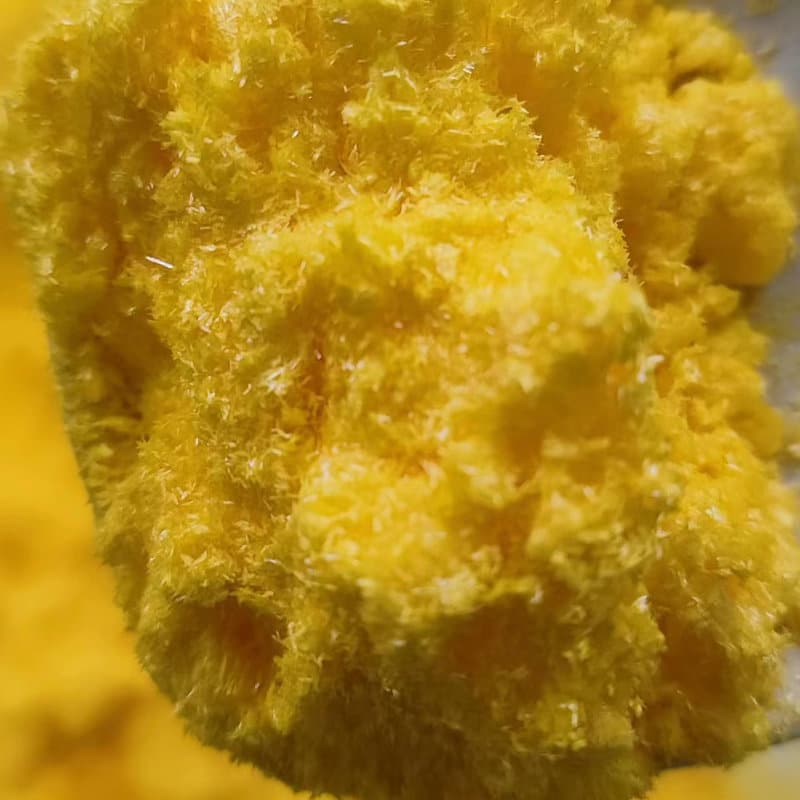
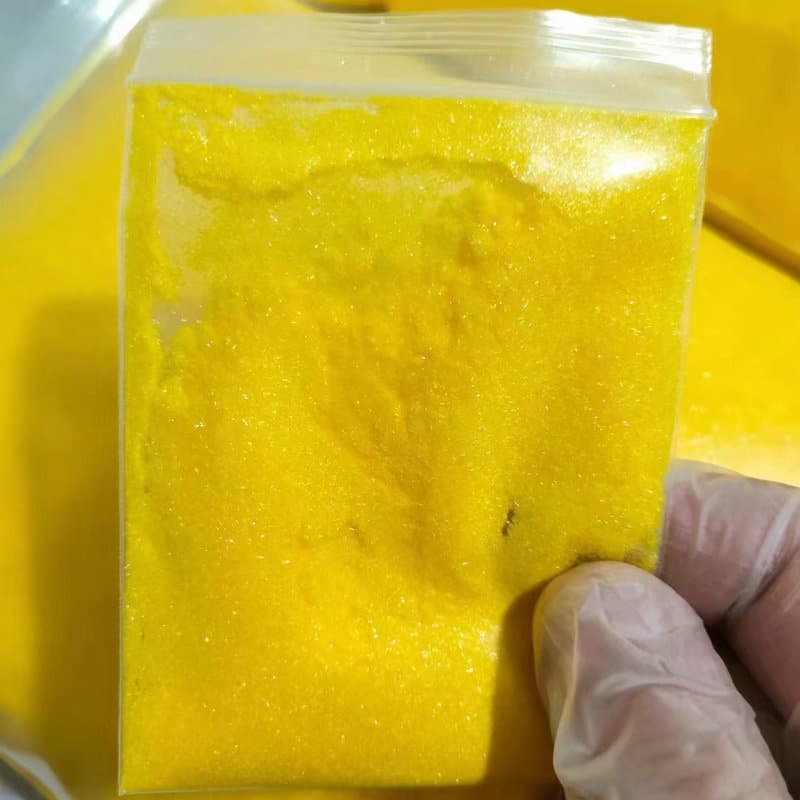
Retinal, ook wel retinaldehyde genoemd, is de aldehyd-vorm van vitamine A. Het is een kleine organische molecule die een belangrijke rol speelt in de visuele cyclus en ook wordt gebruikt in cosmetische formuleringen.
In het oog combineert een specifieke vorm van retinale, 11-cis-retinal, met opsin-eiwitten om visuele pigmenten te vormen. Wanneer licht deze pigmenten bereikt, verandert retinale zijn moleculaire configuratie, wat de keten van gebeurtenissen inluidt die fotoreceptorcellen in staat stellen om op licht te reageren.
In de huidverzorging wordt retinale gewaardeerd als een retinoid. Huidcellen kunnen retinale omzetten in retinozuur, een biologisch actieve vorm van vitamine A die betrokken is bij het reguleren van celprocessen. Topische retinale formuleringen worden gebruikt om de verschijning van fijne rimpels, oneffenheden in de huidkleur en huidtextuur te verbeteren.
De effecten en tolerantie van een cosmetisch product hangen af van de concentratie, formulering, stabiliteit en gebruik. Retinale mag niet worden verward met een voorgeschreven retinoid of ervaren worden als hetzelfde resultaat te leveren bij iedere persoon.
3. Retina versus Retinal: Belangrijke verschillen
| Kenmerk | Retina | Retinal |
|---|---|---|
| Definitie | Een lichtgevoelige weefsel binnen het oog | Een uit vitamine A afgeleide chemische verbinding |
| Categorie | Anatomische structuur | Organische stof en retinoid |
| Hoofdrol | Detecteert licht en ondersteunt visuele signaalverwerking | Speelt een rol bij het zicht en de vitamine A-afbraak |
| Gebruik in huidverzorging | Geen cosmetisch ingrediënt | Gebruikt in topische huidverzorgingsformuleringen |
| Relatie met vitamine A | Bevat visuele cellen die vitamine A-afgeleide verbindingen gebruiken | Is zelf een vitamine A-afgeleide verbinding |
| Is het een weefsel? | Ja | Nee |
4. Hoe zijn de retina en retinal gerelateerd?
Hoewel retina en retinal niet uitwisselbare termen zijn, zijn ze biologisch verbonden via het zichtsysteem. Retinal is een essentieel onderdeel van de visuele pigmenten die het oog in staat stellen op licht te reageren.
In staafcelletjes bindt 11-cis-retinal zich aan het eiwit opsin om rhodopsine te vormen. Wanneer fotonen worden geabsorbeerd, wordt 11-cis-retinal omgezet in all-trans-retinal. Deze moleculaire verandering activeert de fototransductie, het proces waarbij licht wordt omgezet in een biologische signaal.
Het visuele cyclus herstelt vervolgens de juiste vorm van retinal, zodat de fotoreceptoren opnieuw kunnen reageren op licht. De retina biedt het gespecialiseerde celmilieu waarin dit proces plaatsvindt, terwijl retinal direct betrokken is bij de chemie van lichtdetectie.
Kort gezegd: de retina is het weefsel dat licht detecteert, terwijl retinal één van de moleculen is die deze detectie mogelijk maken.

5. Retinale vs retinol: zijn het hetzelfde?
Nee. Retinale en retinol zijn gerelateerde vitamine A-composities, maar chemisch gezien verschillen ze.
Retinol is de alcoholvorm van vitamine A, terwijl retinale de overeenkomstige aldehydevorm is. In het lichaam kunnen enzymen retinol omzetten in retinale en retinale in andere vitamine A-metabolieten, afhankelijk van het biologische pad.
In cosmetische huidverzorging worden zowel retinol als retinale gebruikt in topische formuleringen. Retinol vereist meestal twee oxidatiestappen om retinozuur te worden, terwijl retinale slechts één stap nodig heeft. Deze verschil verklaart waarom retinale vaak wordt beschreven als een directer werkende retinoïde dan retinol.
Toch bepaalt het aantal omzettingsschritten niet per se de prestaties van elk product. Concentratie, stabiliteit, leveringsmethode, huidtolerantie en de totale formulering beïnvloeden ook de resultaten.
6. Wat doet retinale in de huidverzorging?
Retinale wordt gebruikt in cosmetische huidverzorgingsproducten die zijn ontworpen om zichtbare tekens van huidveroudering en oneffen huidtextuur te verbeteren. Zijn biologische activiteit is geassocieerd met de omzetting van retinale naar retinozuur in de huid.
Fijne lijntjes:
Regelmatig gebruik van een geschikte retinoïdeformulering kan helpen om de zichtbaarheid van fijne lijntjes langzaam te verminderen.Huidtextuur:
Retinale producten kunnen helpen bij het verbeteren van de uitstraling van ruwe of oneffen huidtextuur.Oneven huidtint:
Passende formuleringen kunnen helpen bij het verbeteren van de uitstraling van bepaalde vormen van verkleuring.Huid met neiging tot acnee:
Sommige retinale formuleringen worden gebruikt om een schoner ogende huid te ondersteunen, hoewel cosmetische producten niet uitwisselbaar zijn met gevestigde acnebehandelingen.
Retinal kan droogheid, roodheid, blaren of irriterend effect veroorzaken, vooral wanneer het te snel wordt ingevoerd. Begin met een product dat geschikt is voor uw huid en volg de instructies. Dagelijks zonnebeschermingsmiddel is belangrijk bij gebruik van retinoïde huidverzorgingsproducten.
Topische retinoïden moeten over het algemeen worden vermijden tijdens zwangerschap als voorzorgmaatregel. Iedereen die zwanger is, zwangerschap plant of borstvoeding geeft, dient advies in te winnen van een gekwalificeerde gezondheidsprofessional over geschikte huidverzorgingskeuzes.
7. Is Retinal hetzelfde als Retinaldehyde?
Ja. Retinal en retinaldehyde zijn twee namen voor hetzelfde chemische verbinding. In beschrijvingen van huidverzorgingsproducten wordt meestal de kortere naam retinal gebruikt, terwijl retinaldehyde de meer expliciete chemische naam is.
Geen van beide termen mag worden verward met retina, wat verwijst naar het lichtgevoelige weefsel binnen het oog. Ze mogen ook niet worden verward met retinol, dat een ander vitamine-A-verbinding is.
8. Waarom is het verschil tussen Retina en Retinal belangrijk?
Het onderscheid is van belang omdat de twee woorden in verschillende contexten worden gebruikt. In de oogheelkunde verwijst de retina naar het weefsel dat betrokken is bij het zien. In de biochemie verwijst retinal naar een molecuul dat betrokken is bij de visuele cyclus en de stofwisseling van vitamine A. Bij gesprekken over cosmetische ingrediënten verwijst retinal meestal naar retinaldehyde dat wordt gebruikt in huidverzorging.
Begrip van de context maakt wetenschappelijke informatie gemakkelijker te interpreteren en helpt voorkomen dat er verwardheid ontstaat bij het onderzoeken van ooggezondheid, vitamine A-chemie of cosmetische ingrediënten.

Veelgestelde vragen
Is retina hetzelfde als retinal?
Nee. De retina is het lichtgevoelige weefsel binnen het oog, terwijl retinal een uit vitamine A afgeleid molecuul is. Retinal speelt een rol in het visuele proces dat zich afspeelt binnen de retina.
Is retinal een andere naam voor retinaldehyde?
Ja. Retinaldehyde en retinal verwijzen naar hetzelfde verbinding. De term retinal wordt veel gebruikt in zowel de vitamine A-chemie als in huidverzorging.
Heeft retinal nut voor het zien?
Retinal is essentieel voor de visuele cyclus omdat het betrokken is bij de lichtgevoelige pigmenten van fotoreceptorcellen. Dit biologische functioneert niet betekent dat het aanbrengen van een retinalhuidverzorgingsproduct het gezichtsvermogen verbetert.
Is retinal sterker dan retinol?
Retinal is één stap dichter bij retinoïezuur dan retinol en wordt vaak beschouwd als een directer werkend topisch retinoid. De werking en irritatiegevoeligheid hangen echter af van de productformulering, concentratie en individuele huidtolerantie.
Kan retinal worden gebruikt rond de ogen?
Gebruik alleen een product dat specifiek is geformuleerd en aangegeven voor het doelgebied. Vermijd dat retinale huidverzorgingsproducten in de ogen komen, en stop met gebruik indien significante irratie optreedt.
Wat is het belangrijkste verschil tussen retina en retinal in één zin?
De retina is het lichtgevoelige weefsel aan de achterkant van het oog, terwijl retinal een vitamine-A-afgeleide stof is die betrokken is bij het gezichtsvermogen en ook wordt gebruikt in huidverzorging.
Conclusie
Het belangrijkste verschil tussen retina en retinal is dat de ene een biologische structuur is en de andere een chemische verbinding. De retina ontvangt en verwerkt lichtsignalen, terwijl retinal een directe rol speelt in de visuele cyclus. Buiten de oogheelkunde wordt retinaldehyde ook al jarenlang als een erkend cosmetisch retinoid gebruikt in huidverzorgingsformuleringen.
Begrip van deze definities helpt om ooganatomie te onderscheiden van vitamine-A-chemie en maakt het eenvoudiger om informatie over retinal, retinol en huidverzorgingsstoffen nauwkeurig te interpreteren.